
Location
Starland, Hanover, MA
Land Size
165,000 s/f
Partners
Architect: CBT Architects
Civil Engineer: Merrill
Case Study: Starland Redevelopment
Starland was already a well-known recreation property in Hanover, with batting cages, go-carts, a driving range, miniature golf, arcade uses, and other family entertainment. When the previous owners were selling the facility, a group of local investors saw an opportunity to build on that foundation with a larger, year-round athletic destination for the South Shore.
Similar facilities were located farther away, and the new ownership group wanted to bring indoor training space for basketball, soccer, and other sports closer to the region. The existing building was too limited to support that vision, but the site had strong redevelopment potential, including good soils and a large amount of upland.
At that point, redevelopment became the more realistic path.
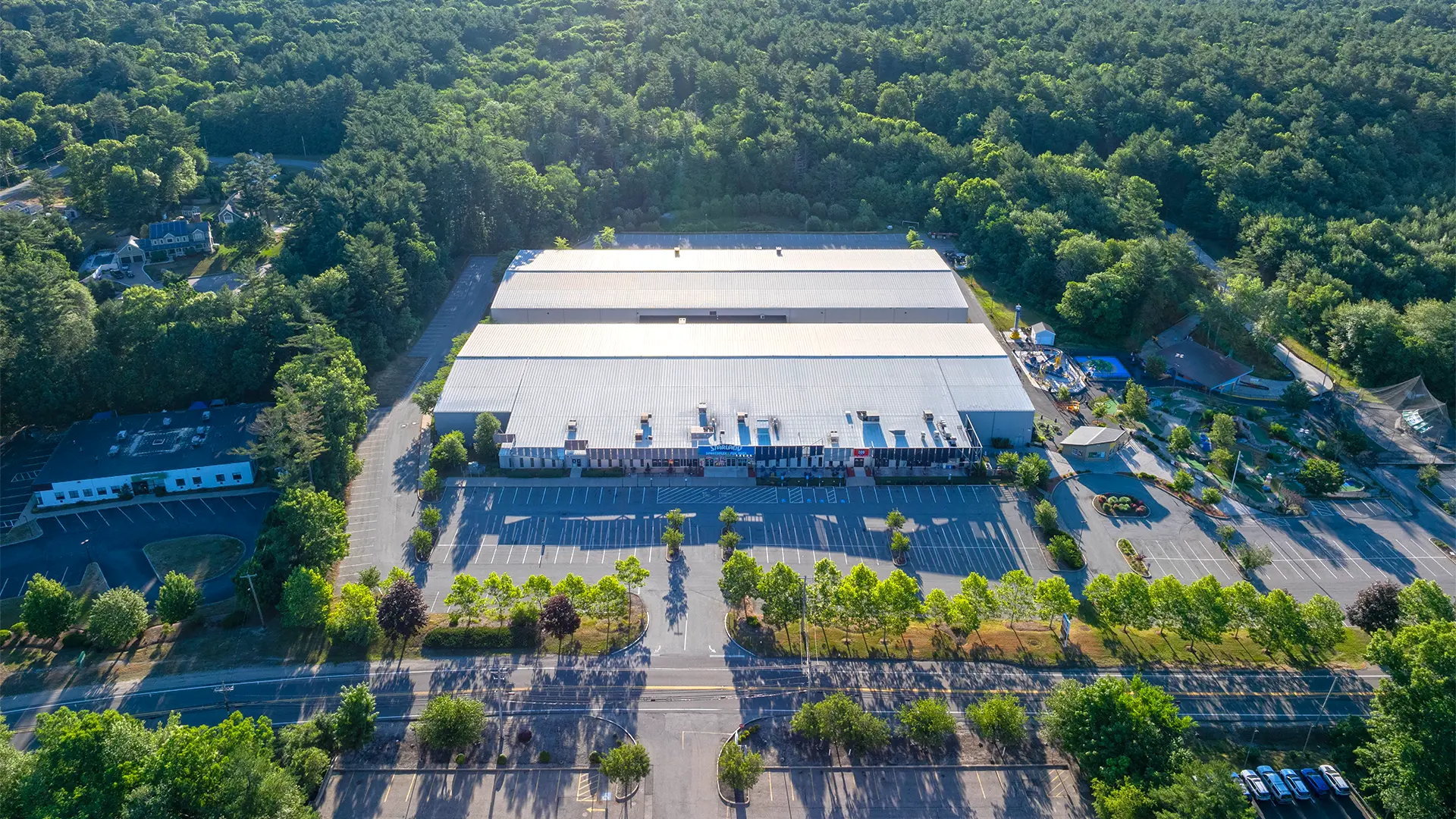

Existing Conditions and Constraints
The property had several important site constraints. Wetlands and an intermittent stream were present, and a wetland feature effectively bisected the property. That meant the site could not simply be expanded without careful attention to environmental conditions, stormwater, wastewater, circulation, and long-term use.
The proposed athletic and entertainment uses also created a practical challenge: parking. Sporting events and tournaments can generate a significant number of visitors at the same time, so the site needed to support both everyday activity and larger peak-use events.
Managing stormwater became one of the critical pieces of the project.
Permitting and Approvals
The project required multiple approvals, including Conservation Commission review with NHESP involvement, Planning Board site plan review, a ZBA Special Permit, and a MassDOT curb cut permit.
Because the property included wetlands, an intermittent stream, and a large recreational use with significant parking demands, the permitting path needed to address both environmental protection and the practical realities of operating a regional sports and entertainment facility.
Early engagement with Town officials was one of the keys to moving the project forward.
Redevelopment Approach
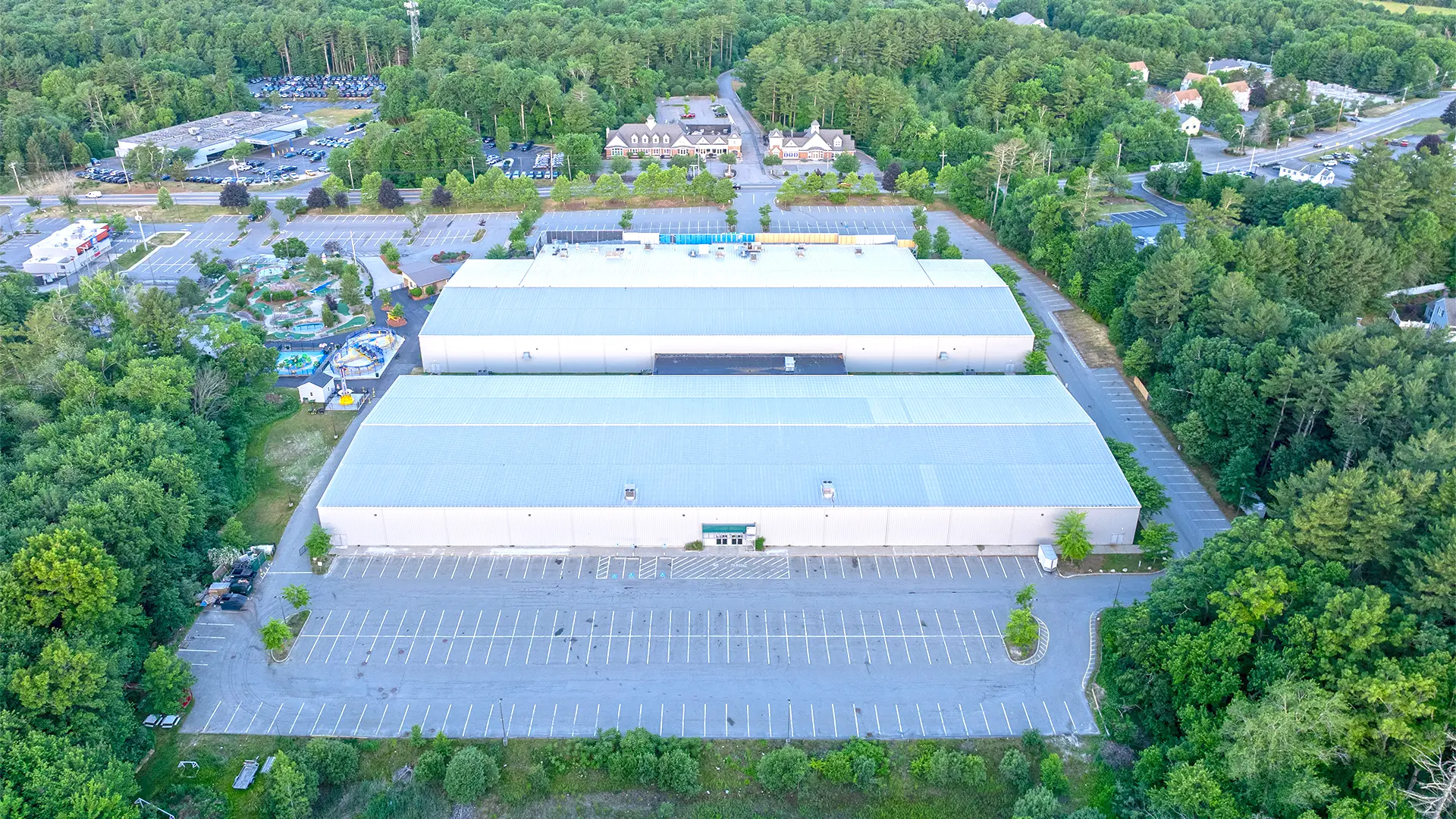
The redevelopment expanded the property from a smaller recreational facility into a year-round sports and entertainment destination. The final use mix included an indoor arcade, restaurant, function room, soccer, basketball, field hockey, volleyball, outdoor mini rollercoaster, drop tower, batting cages, go-carts, miniature golf, pickleball, and an outdoor beer garden.

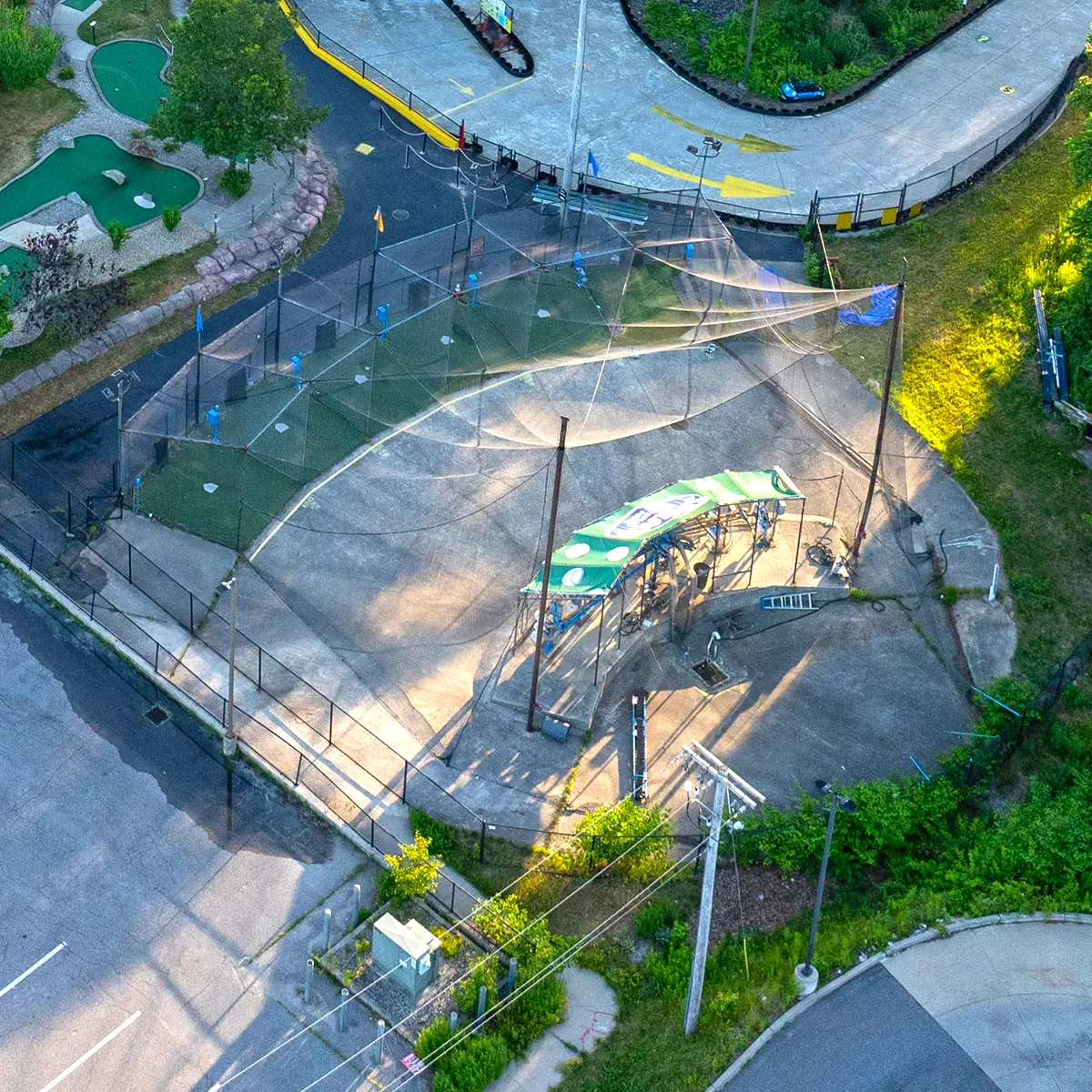
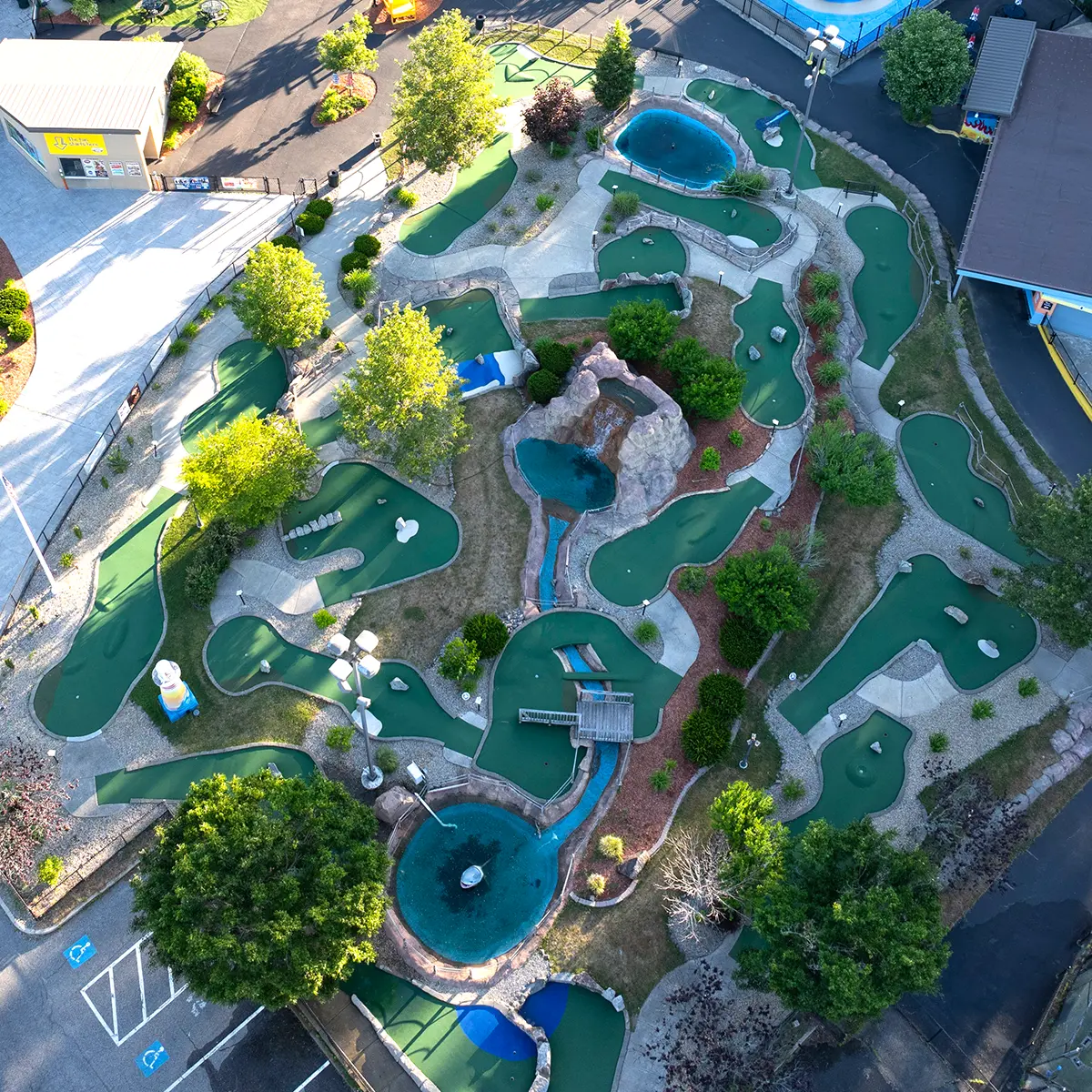
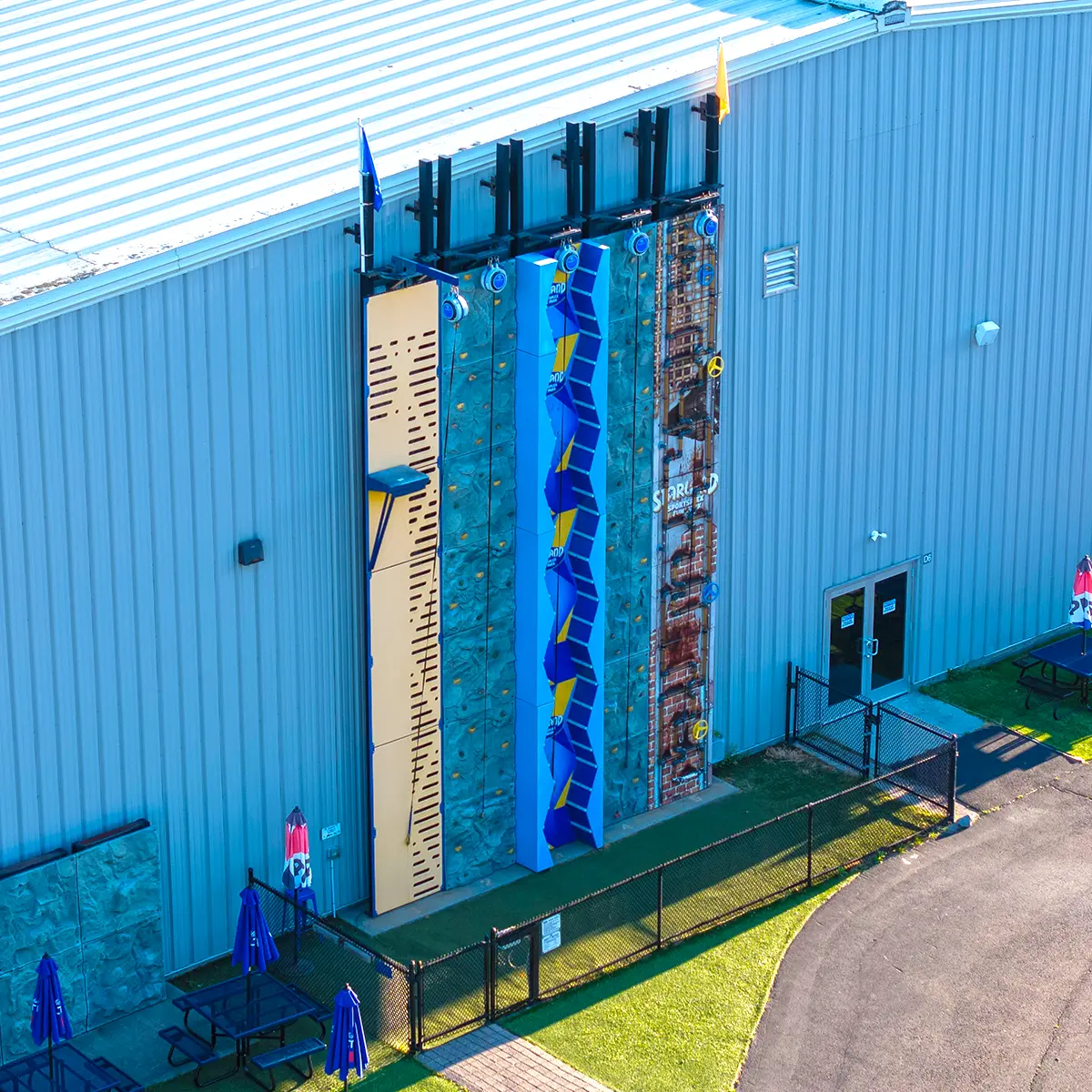
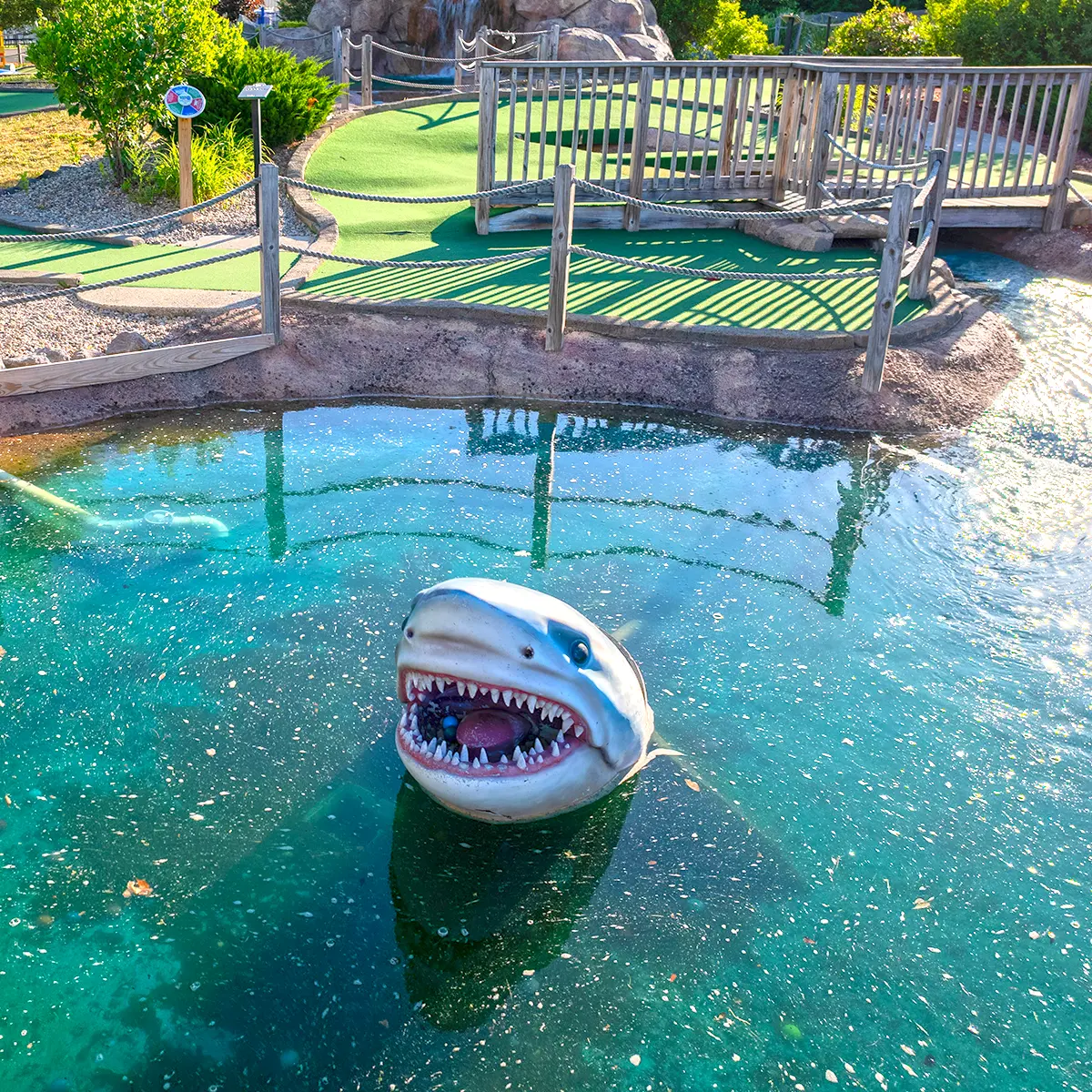
The site also required a large Title V septic system to serve the proposed and future uses. Because of the wetland conditions, the system needed to be designed and permitted carefully to provide proper wastewater treatment while supporting the broader redevelopment plan.
Parking was another major part of the approach. An abutting car dealership was purchased, the building was demolished, and a fast-food restaurant was constructed on that site. Parking for that property was designed to serve as shared parking with Starland during larger functions.

Working with the Town and Community
Starland was already a familiar recreation property in Hanover, and the redevelopment had considerable community support. There was some community concern, but the overall response included strong support for improving and expanding the site.
Early coordination with Town officials helped the project team work through the permitting and site planning issues. The ownership group was also described as savvy and active, continually looking for attractions that would draw people to the site and to the Town more broadly.
Result
The project transformed an older small-scale recreational facility into a year-round regional sports and entertainment complex for the South Shore.
Starland is a good example of redevelopment where the visible result is fun, but the work behind it is deeply practical: wetlands, stormwater, wastewater, parking, access, permitting, and future capacity all had to be solved together. The project allowed a familiar local property to grow into a larger destination while continuing to serve recreation, athletics, events, and family entertainment.