

Employee Spotlight: Deborah W. Keller, P.E.
Deborah W. Keller, P.E., Director of Engineering at Merrill Engineers and Land Surveyors, did not grow up imagining a career in civil engineering.
Raised on a dairy farm in Western Massachusetts, Deb spent much of her childhood around animals and, for a long time, thought she might become a veterinarian.
“When I was a kid, I grew up on a dairy farm, and I always hung out down the barn when the vets came,” Deborah said. “I just loved being around and seeing how the animals were being taken care of.”
In high school, she worked at a veterinary hospital. But somewhere along the way, the reality of that career changed for her.
“I couldn’t take the surgeries,” she said. “It was too much. So I was like, ‘I don’t think this is for me anymore.’”

At the same time, Deborah had always been strong in math. That opened another path. She started college in an architecture program, where she liked the connection to buildings and the built environment. But she quickly realized architecture involved a level of subjectivity that did not quite fit the way she worked.
After a professor responded very differently to two similar student designs, Deborah remembers thinking, “I don’t think I like the objective part of architecture where someone else’s opinion is, you know, like it’s either right or wrong.”
Math felt clearer.
“So then I’m like, ‘Okay, well, math is right or wrong, so what can I do, again, with math that’s sort of in line with architecture?’” she said.
That question led her to civil engineering, where she could still be connected to buildings, sites, and communities, but through technical problem-solving.
“I can still see buildings be built and the uniqueness of that and how they can blend into the site,” she said.
The Work Outside the Building
When people hear “civil engineer,” Deborah says they often assume she is involved in the building itself.
“They think I’m doing the actual building of the building and the construction, and that I know about windows and insulation,” she said. “And I’m like, ‘No, no, no, no. Outside the building. Your parking lot.’”
That “outside the building” work includes grading, drainage, parking, site circulation, and the practical design decisions that help determine whether a project functions well.
“The building is always sort of the exciting part of a project versus the parking lot or the drainage or the grading,” Deborah said.
But those less visible pieces matter. They affect how people move through a site, how water is managed, how a property responds to regulations, and how a project fits into the surrounding environment.
For Deborah, that is where much of the meaningful work happens.
Drainage as a Puzzle
One of Deborah’s strongest areas of expertise is drainage design, something she credits in part to the foundation she built early in her career.
Her first boss, Tony, was an important mentor. He had deep experience and was willing to share it.
“He was phenomenal,” Deborah said. “He had so much experience, and he was so willing to share that with me that I soaked as much as I could up.”
That early guidance helped her build the drainage knowledge that colleagues still rely on today.
“I’m sure Josh has mentioned it, that drainage is one of my key knowledge points, and a lot of people come to me for that,” she said.
It is also one of the parts of the work she enjoys most.
“To me, a drainage design is like a puzzle,” Deborah said. “You’ve got to figure out how to address the drainage on the site with certain criteria, and we’ve got models that we have to build.”
A site comes with real conditions: grades, soils, regulations, space constraints, stormwater requirements, and client goals. The job is to understand those pieces and find a solution that works.
That mix of structure and problem-solving is part of what has kept the work engaging.
Projects Worth Driving By
When asked about projects that stand out, Deborah immediately thought of two: Wolcott Woods and Merchants Row.
Wolcott Woods was a residential development in Milton on roughly 50 acres. The project involved cluster development housing, significant grade change, drainage considerations, bylaw work with the town, and a long approval process.
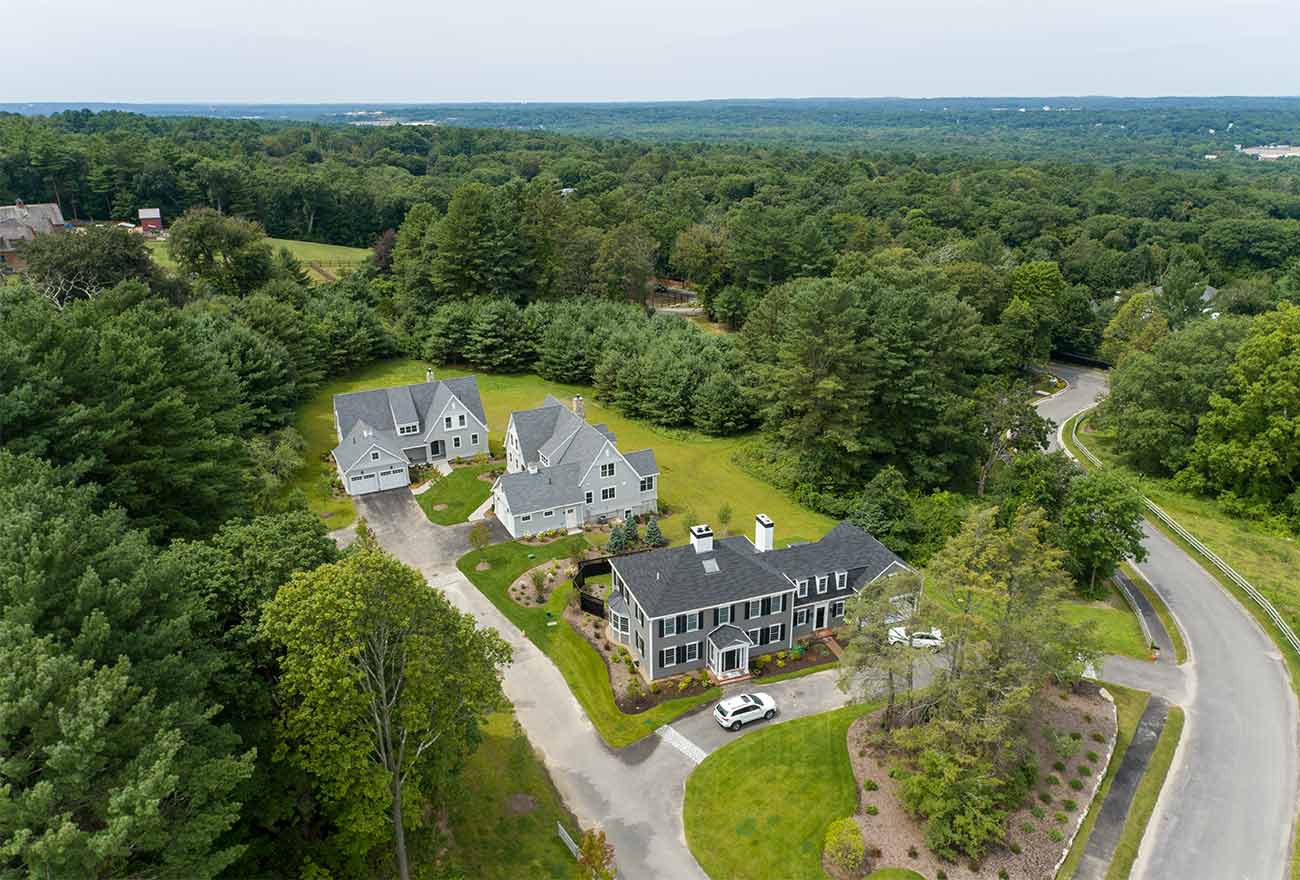

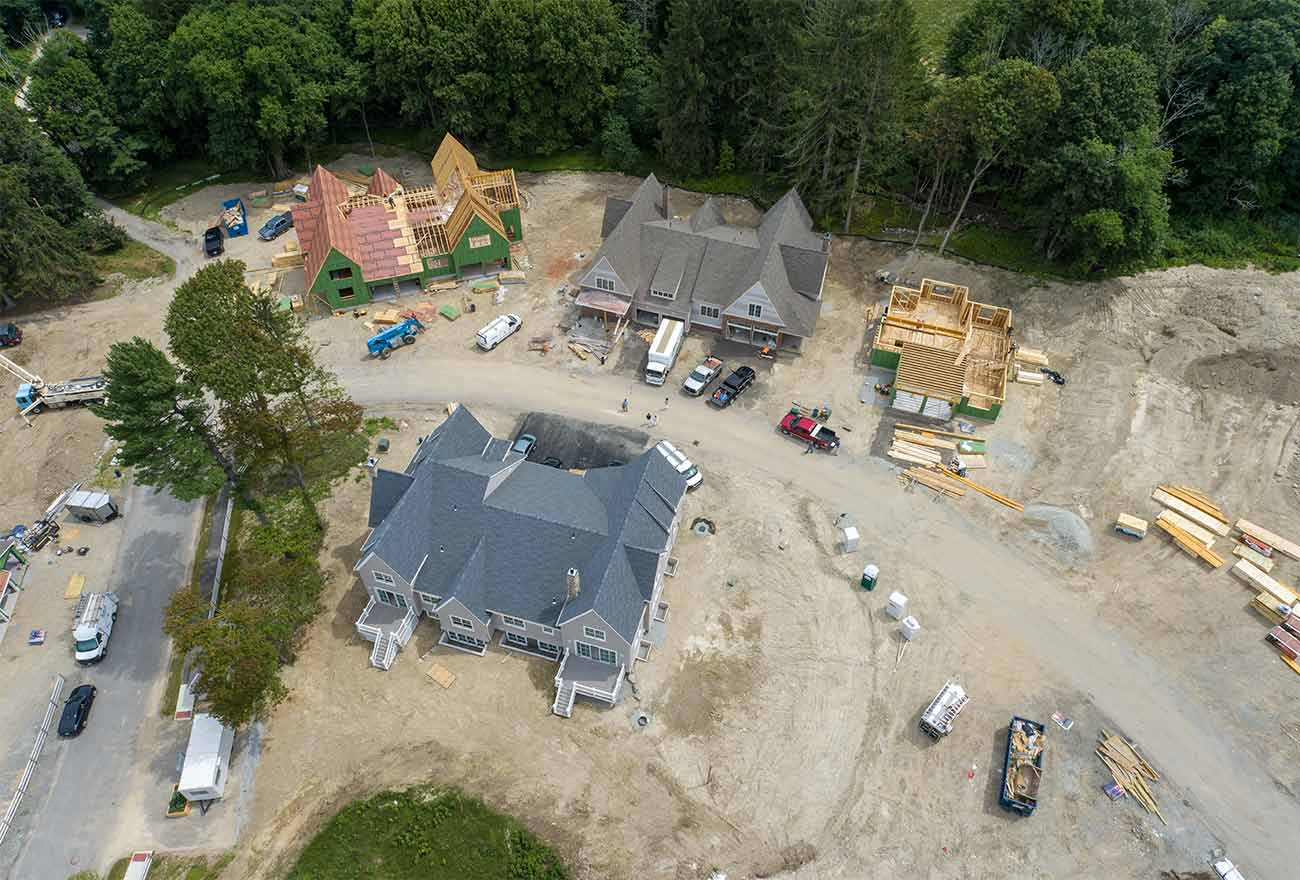
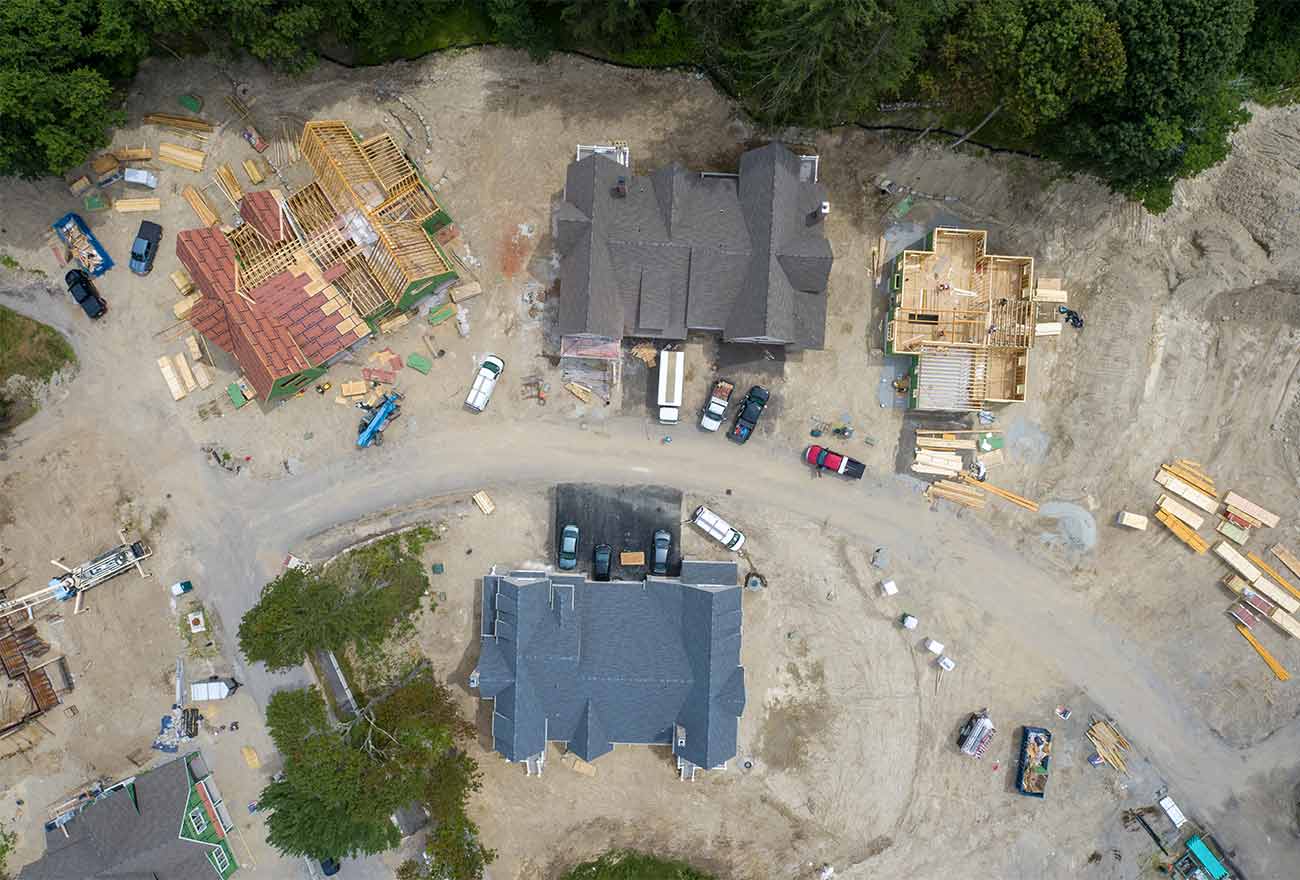
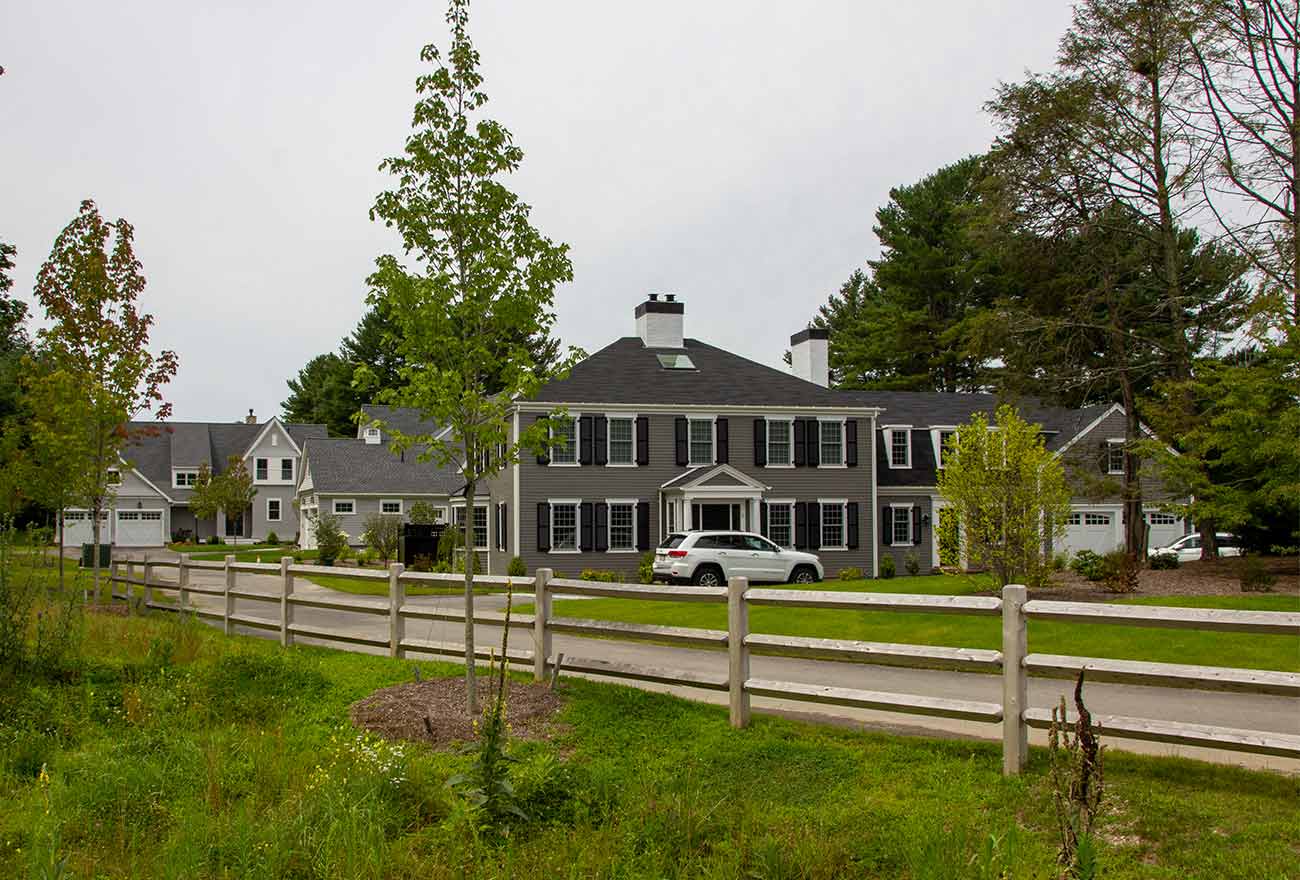
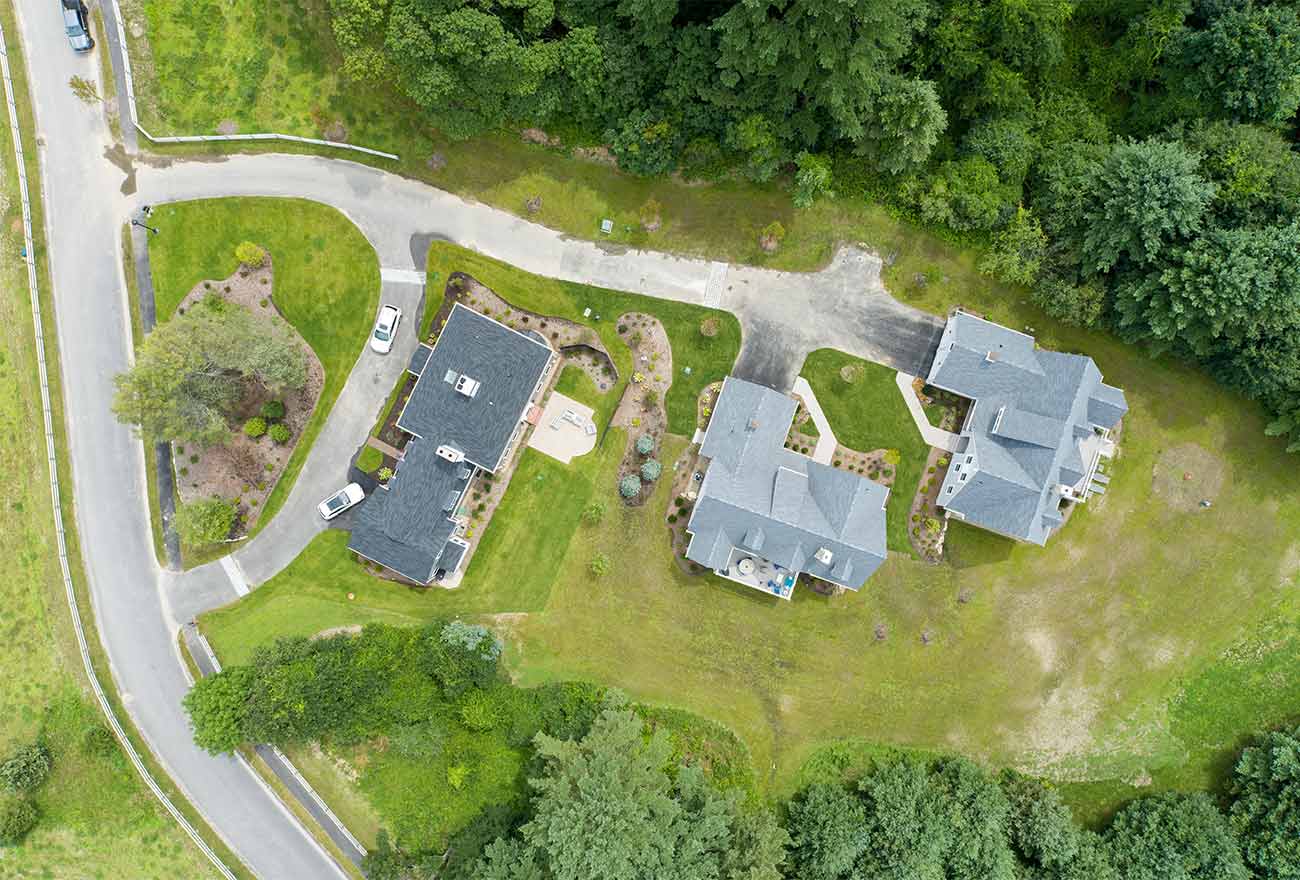

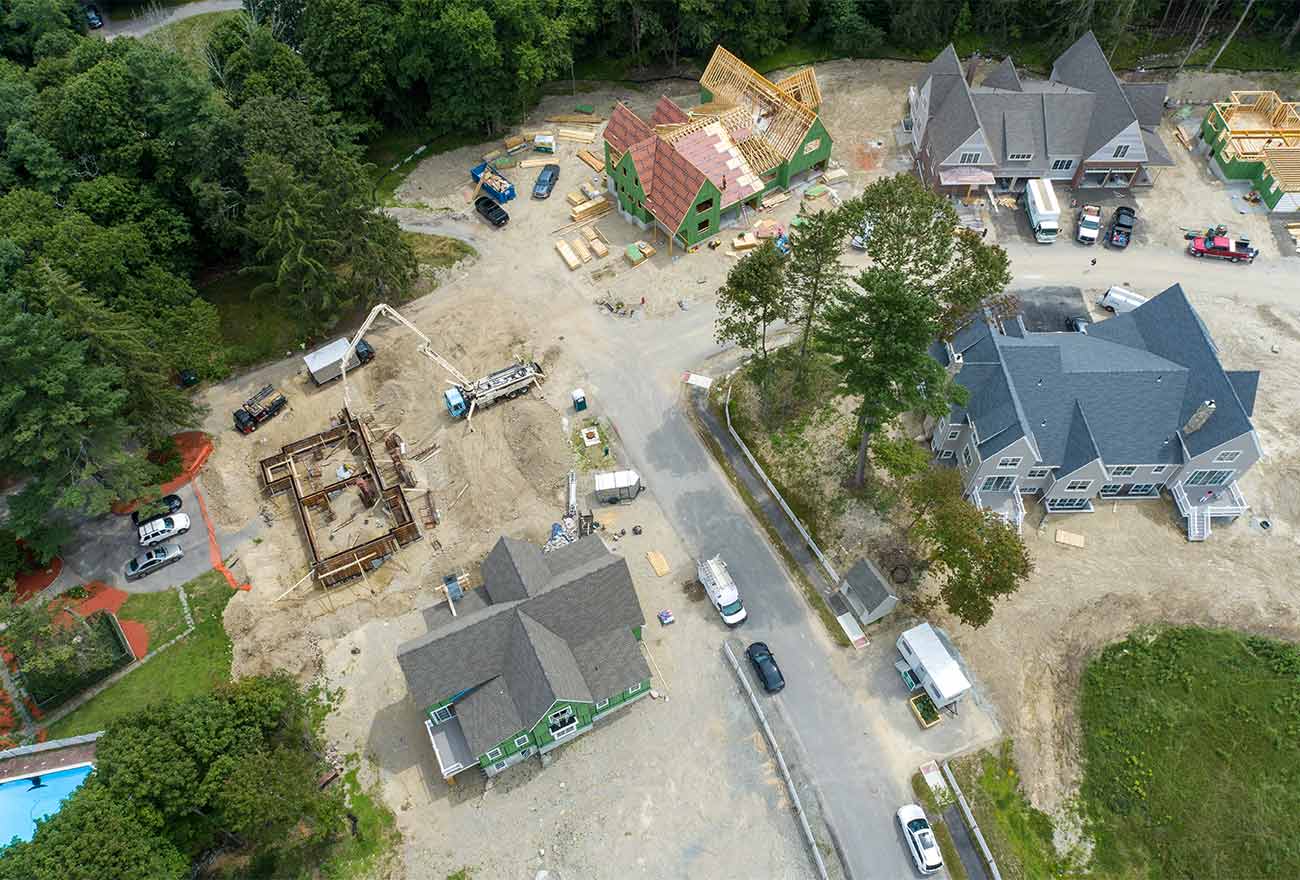
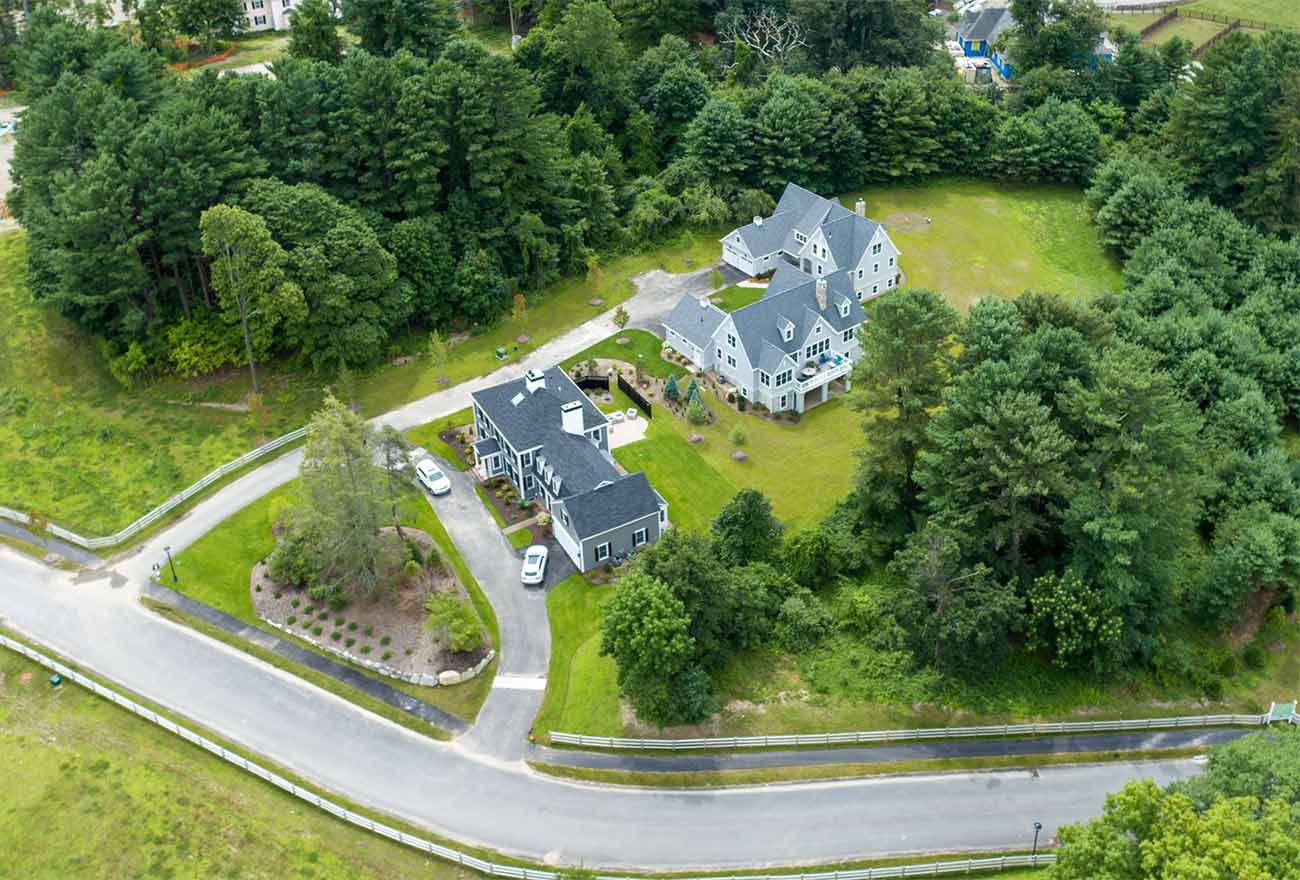
“It was a very long process,” Deborah said. “It had a lot of components to it. Nothing was really, really hard. It was just very complicated in the sense that there were a lot of moving parts.”
Years later, seeing the finished project made the work feel especially worthwhile.
“It was fantastic,” she said. “It was beautiful. I’m so happy to have a project that you feel that good about.”
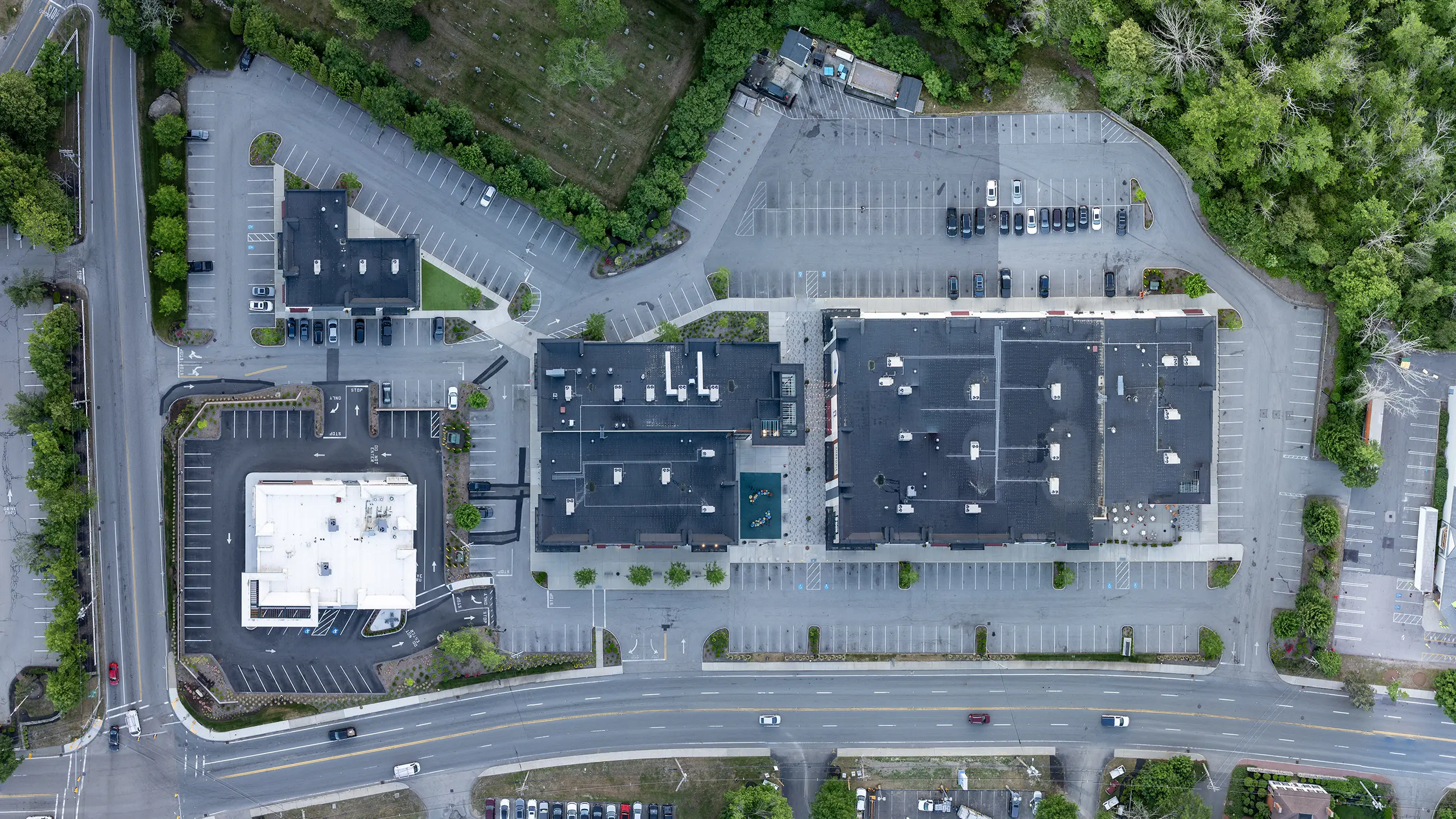
Merchants Row, just up the street from Merrill’s headquarters, carries a different kind of satisfaction. The project involved the redevelopment of an older retail property and was completed in phases. When the client later purchased the corner property, the work helped “close the loop” on the site.
For Deborah, part of the reward is simple: she gets to see it often.
“It’s nice to be able to drive by there all the time,” she said. “And then hear people like, ‘Oh, I love that. I love what they did there.’ And you’re like, ‘Yeah, I did that,’ or, ‘I was part of it.’”
That kind of visible, local impact matters. The work may begin in plans, calculations, meetings, revisions, and approvals, but eventually it becomes something people recognize in their community.
What Clients Don’t Always See
One thing Deborah wishes more clients understood is how much thinking goes into the work before they ever see the finished plan.
Design changes can sometimes look simple from the outside. Move this. Adjust that. Shift the plan. But by the time a client is looking at a design, many decisions have already been built around site conditions, technical requirements, regulations, and project goals.
“It’s not like, we kind of joke around sometimes and go, ‘Yeah, let me just go back to the office and I’ll push a button and everything’s going to get fixed,’” Deborah said. “They’re like, ‘Move this, do this,’ and you’re like, ‘I just built this whole design set for you, and now you just kind of threw it out the window and you think I can just push a button and make it change?’”
The reality is more complicated. A plan set is not just a drawing. It is the result of design work, coordination, judgment, and problem-solving.
Sometimes, the work also means helping a client understand what a property can realistically support.
“Trying to convince them to understand that their property can’t handle what they want to do is tough sometimes,” she said.
That can be a hard conversation, but it is also an important part of the work: helping clients understand what is possible, what is practical, and what will support a successful project.
A Team Built on Questions
Deborah’s own career was shaped by people who shared what they knew, and she brings that same mindset to younger engineers and coworkers today.
Her advice is straightforward: ask questions.
“No question is a stupid question because that’s the only way you pick information up,” she said.
She also believes there is real value in seeing the full process of a project, especially at a smaller firm.
“In a smaller firm, you have a great opportunity to see the whole process for a project from start to finish,” she said.
That perspective helps younger engineers understand how each part of the work fits together, from survey and design to permitting, field work, client communication, and final construction.
That open-door approach is part of what Deborah appreciates about Merrill.
“Everybody here in Merrill, the door’s open,” she said. “You can ask anybody questions.”
Outside of work, Deborah finds rhythm and teamwork on the water. She rows in the mornings and races in a masters program.
“I enjoy it,” she said. “I have a great group of people that I do it with, so that’s sort of my passion outside of work right at the moment.”
For Deborah, the throughline is clear: curiosity, discipline, problem-solving, and the satisfaction of being part of a team that’s doing work she’s proud of.